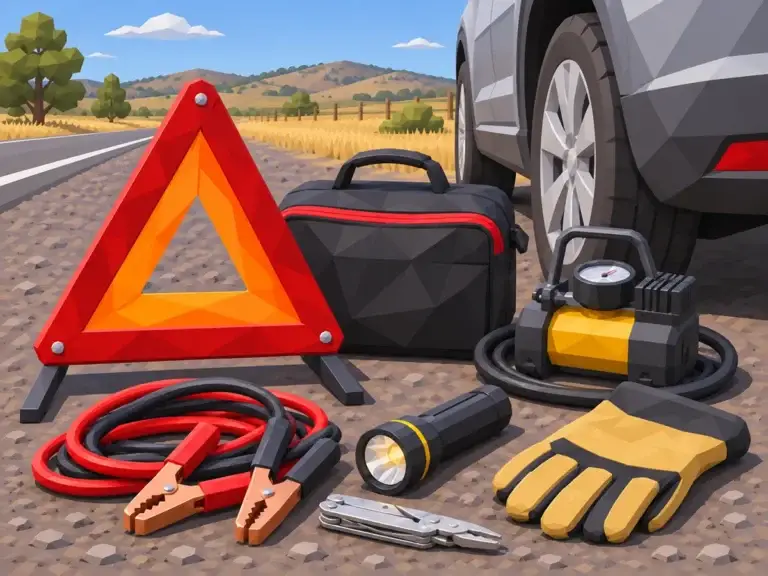
When a vehicle breaks down, many drivers immediately think they need a tow truck. Sometimes they do. In many other situations, the problem can be handled where the vehicle is sitting with roadside assistance. Understanding roadside assistance vs towing helps you request the right service the first time.
Knowing the difference between roadside assistance and towing can help you request the right service, avoid unnecessary delays, and potentially reduce the cost of getting back on the road.
Here is how to decide.
Roadside Assistance vs Towing: The Quick Answer
When comparing roadside assistance vs towing, the question is whether the problem can be fixed safely where the vehicle sits. Dead batteries, lockouts, flat tires with a usable spare, and empty fuel tanks are usually roadside jobs. Collision damage, major mechanical failure, or an unsafe location often means a tow. If you are on a highway, check COtrip for conditions near you.
What Is Roadside Assistance?
Roadside assistance focuses on common problems that may be solved without transporting the vehicle.
Typical roadside services include:
- Battery jump-starts
- Vehicle lockout assistance
- Flat tire changes when a usable spare is available
- Emergency fuel delivery
- Battery delivery and installation
- Select minor mechanical or diagnostic services
The goal is to solve the immediate problem at your location when it can be done safely.
What Is Towing?
Towing moves the vehicle from one location to another when it cannot be driven safely or repaired where it sits.
A tow may be necessary when the vehicle has major mechanical damage, collision damage, wheel or suspension problems, no usable spare, severe overheating, transmission trouble, or another issue that cannot be resolved roadside.
Some roadside providers also offer towing, while others focus primarily on non-tow roadside services.
Dead Battery: Roadside Assistance or Tow?
Usually, start with roadside assistance.
If the battery is simply discharged, a jump-start may get the vehicle running again. If the battery has failed, mobile battery replacement may be an option.
A tow may be needed when:
- The vehicle will not start after a proper jump attempt
- The starter has failed
- The alternator or charging system has failed
- The battery or electrical system is unsafe to service roadside
- The vehicle needs shop-level diagnosis
If you are unsure whether the problem is the battery, describe the symptoms to dispatch before requesting service.
Locked Keys in the Car: Roadside Assistance or Tow?
Roadside assistance is generally the appropriate choice.
A vehicle lockout normally does not require moving the vehicle. A trained technician may be able to help you regain access using professional lockout equipment.
Some vehicles with specialized security systems may require an automotive locksmith or dealership rather than standard roadside lockout service.
Flat Tire: Roadside Assistance or Tow?
If you have a safe, usable spare and the vehicle can be lifted safely, roadside assistance can often change the tire on location.
A tow may be needed if:
- There is no spare tire
- The spare is damaged or flat
- The wheel is bent or broken
- Suspension components are damaged
- Lug nuts cannot be safely removed
- The vehicle is in a location where tire service is unsafe
Tell dispatch about any impact, wheel damage, or unusual noise that happened before the tire went flat.
Ran Out of Gas: Roadside Assistance or Tow?
Emergency fuel delivery is usually the simplest option when the vehicle is otherwise operating normally.
A roadside technician can bring enough of the correct fuel to help you reach a nearby gas station.
If the vehicle still will not start after fuel is added, you may need additional diagnosis or towing.
Overheating: Roadside Assistance or Tow?
Overheating should be treated carefully.
Do not open a hot cooling system. Pressurized coolant can cause severe burns.
If the temperature warning is on, steam is coming from under the hood, or coolant has leaked out, shut the vehicle down in a safe location and allow it to cool.
Minor issues may sometimes be identified roadside, but a severe overheat, coolant leak, failed water pump, broken belt, or other cooling-system problem often requires towing and repair.
Collision Damage: Roadside Assistance or Tow?
Collision damage frequently requires towing.
Even if the vehicle seems drivable, damaged tires, wheels, suspension, steering, lights, body panels, or safety systems can make driving unsafe.
If anyone is injured or the crash creates a traffic hazard, call 911 first.
No-Start Problem: Roadside Assistance or Tow?
A no-start condition is one of the situations where the answer depends heavily on the symptoms.
If you hear rapid clicking, have dim lights, or know the battery was drained, a jump-start is a logical first step.
If the engine cranks normally but does not start, the problem may involve fuel, ignition, sensors, or security systems. Select mobile mechanic service may help in some cases, but shop diagnosis may be necessary.
If the vehicle cannot be repaired where it sits, towing becomes the next step.
Roadside Assistance Can Be More Efficient for Simple Problems
Sending a tow truck for a straightforward lockout or discharged battery may be more service than you need.
When the problem can be solved on location, roadside assistance may:
- Get you moving without transporting the vehicle
- Reduce the amount of time spent arranging transportation
- Avoid an unnecessary trip to a repair shop
- Cost less than a full tow in some situations
Price should not override safety. A vehicle that cannot be driven safely should be towed even if roadside service would be less expensive.
How to Decide What to Request
Ask yourself these questions:
- Is the vehicle in a safe location?
- Is the problem something that can normally be handled roadside?
- Do I have a usable spare tire if the problem is a flat?
- Is there visible collision, wheel, or suspension damage?
- Did the vehicle overheat or lose fluids?
- Does the engine crank, click, or do nothing?
- Would driving the vehicle after service be safe?
If you do not know the answer, call a roadside provider and describe the situation instead of guessing.
What All Out Roadside Assistance Provides
All Out Roadside Assistance serves Fort Collins and surrounding Northern Colorado communities with 24/7 roadside services including:
- Vehicle lockouts
- Battery jump-starts
- Flat tire changes
- Emergency fuel delivery
- Battery delivery and installation
- Select mobile mechanic services
The company focuses on helping drivers solve common roadside problems without an unnecessary tow when the situation can be handled safely on location.
Roadside Assistance vs Towing: Not Sure Which You Need?
Describe your symptoms to dispatch and we will help you decide between roadside assistance vs towing.
Call All Out Roadside Assistance and explain what happened. Dispatch can help determine whether one of the available roadside services fits your situation.
Call 24/7 Dispatch: 970-412-6926
If anyone is injured, the vehicle is blocking active traffic, or you are in immediate danger, call 911 first.