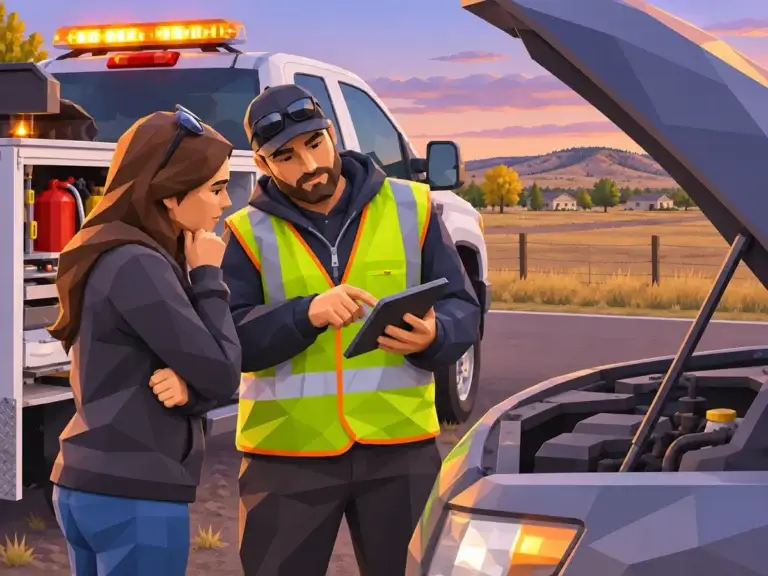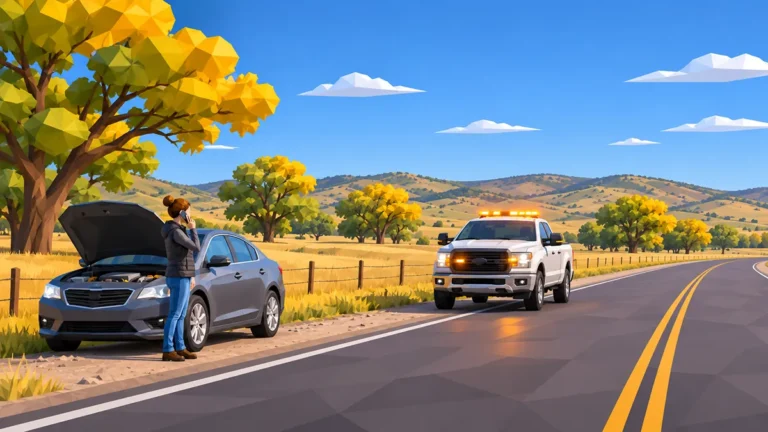
Vehicle trouble can happen anywhere, but Northern Colorado adds a few variables of its own: winter cold, summer heat, highway driving, rural distances, mountain travel, construction, and rapidly changing weather. Here are the common roadside emergencies Northern Colorado drivers run into most often.
Many roadside problems are relatively simple when handled safely and early. Others require towing or emergency response.
Here are some of the most common roadside emergencies drivers encounter and what to do when they happen.
Common Roadside Emergencies: The Quick Answer
The most common roadside emergencies are dead batteries, flat tires, lockouts, running out of fuel, overheating, and winter strandings. Most common roadside emergencies are easier to handle when you are prepared. Check COtrip for road conditions and keep a kit like the one on the Ready.gov car safety checklist.
1. Dead or Weak Battery
A dead battery is one of the most common reasons a vehicle will not start.
Signs can include:
- Slow engine cranking
- Clicking when you try to start
- Dim lights
- No electrical response
- A vehicle that starts after a jump but later goes dead again
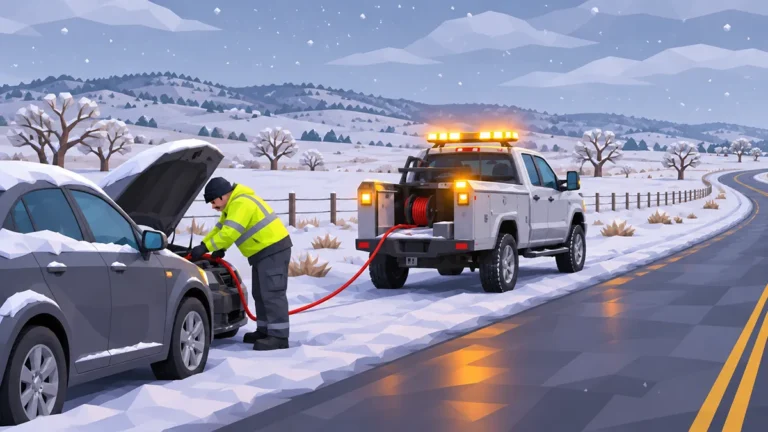
Cold weather can make a weak battery much more noticeable because battery output falls while the engine requires more energy to start.
What to do: If the battery appears physically normal, a professional jump-start may get you moving. If the battery repeatedly fails, have it tested and consider replacement.
Do not attempt to jump a battery that is cracked, swollen, leaking, or appears frozen.
2. Flat Tire
Punctures, potholes, road debris, damaged valve stems, and normal tire wear can leave a driver with a flat.
What to do: Reduce speed carefully and move completely out of traffic when possible. If you have a safe, usable spare and the vehicle is on stable ground, roadside assistance may be able to change the tire.
A tow may be needed when there is no usable spare, the wheel is damaged, or the vehicle cannot be lifted safely.
3. Tire Blowout
A blowout is a rapid loss of air pressure and can be much more dramatic than a slow flat.
What to do: Hold the steering wheel firmly, avoid slamming on the brakes, gradually release the accelerator, stabilize the vehicle, and move off the roadway once it is safe.
After stopping, inspect the situation only from a safe location. Tire or wheel damage may be more extensive than it first appears.
4. Vehicle Lockout
Locking keys inside the vehicle is frustrating but normally does not require towing.
What to do: Check every door and consider whether a spare key or manufacturer remote-unlock app is available. Avoid prying the door or using improvised tools that can damage glass, weatherstripping, paint, wiring, or locks.
Professional lockout service may be able to restore access where the vehicle is parked.
If a child, vulnerable person, or pet is trapped inside and conditions are dangerous, call 911.
5. Running Out of Fuel
A low fuel warning is easy to ignore until traffic, weather, or a longer-than-expected drive uses the remaining range.
What to do: Move out of traffic and request emergency fuel delivery. Confirm whether the vehicle requires gasoline or diesel.
Fuel delivery is generally intended to provide enough fuel to reach a nearby gas station.
6. Car Won’t Start Even With a Jump
Not every no-start is a battery problem.
Possible causes include:
- Starter failure
- Alternator problem
- Fuel pump failure
- Ignition problem
- Security-system fault
- Wiring or connection issue
- Blown fuse or failed relay
What to do: Note whether the engine clicks, cranks normally, cranks slowly, or does nothing. That information can help roadside dispatch determine whether mobile diagnosis is appropriate or whether the vehicle may need towing.
7. Overheating
An overheating engine can suffer serious damage if it continues running.
Warning signs include:
- High temperature gauge
- Temperature warning light
- Steam from under the hood
- Coolant smell
- Coolant leaking under the vehicle
What to do: Move to a safe location and shut the engine off. Do not open a hot radiator or pressurized coolant reservoir.
Severe overheating generally requires repair rather than simply adding fluid and continuing to drive.
8. Electrical or Charging-System Failure
A failing alternator or electrical connection can cause lights to dim, warning messages to appear, electronics to malfunction, and eventually the engine to stop.
What to do: If the vehicle is still moving, get to a safe location before electrical power deteriorates further.
A jump-start may temporarily start a vehicle with a charging problem, but it will not repair the alternator.
9. Winter Weather Stranding
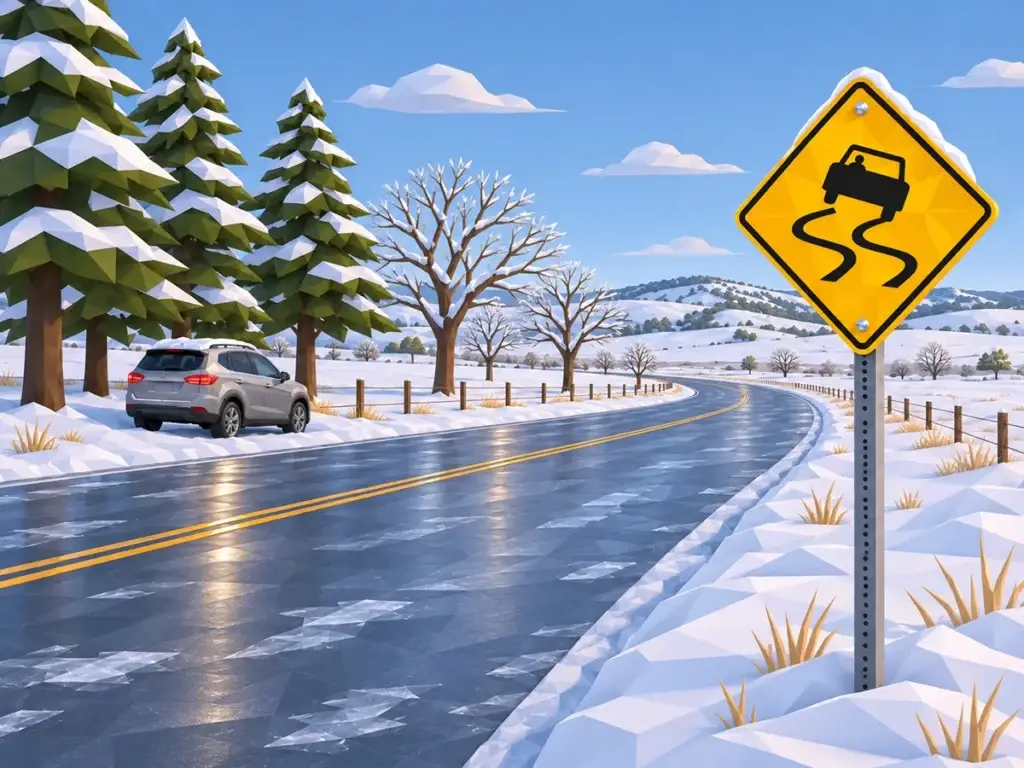
Snow, ice, extreme cold, and poor visibility can turn a minor roadside problem into a safety issue.
What to do: Keep an emergency kit with warm clothing, blankets, water, snacks, phone power, a flashlight, scraper, shovel, and other winter supplies.
Check current road and weather conditions before traveling. Avoid unnecessary trips during severe weather.
If stranded, stay warm, conserve phone power, and remain in a safe location. If running the engine during heavy snow, keep the exhaust outlet clear.
10. Breakdown at Night
Darkness makes vehicles and people more difficult for passing drivers to see.
What to do: Move out of traffic, use hazard lights when appropriate, keep your phone charged, and avoid standing in the roadway.
Give dispatch a precise location and clear vehicle description.
When to Call 911 Instead of Roadside Assistance
Roadside assistance is for vehicle problems, not immediate emergencies.
Call 911 when:
- Someone is injured
- Your vehicle is blocking active traffic and cannot be moved
- There is a fire or major fuel leak
- You are involved in a serious crash
- You are in immediate danger
Emergency responders may need to secure the scene before roadside work can begin.
How to Prepare Before a Roadside Emergency
A little preparation makes roadside problems easier to handle.
Keep your phone charged. Save important numbers in advance.
Check the spare tire. A spare is not useful if it is flat or damaged.
Know where the wheel-lock key is stored. Without it, removing a wheel may be difficult or impossible.
Maintain the battery. Have a weak battery tested before winter.
Keep fuel in the tank. Avoid consistently driving at or near empty.
Carry an emergency kit. Adjust the contents for the season and route.
Pay attention to warning signs. Unusual sounds, warning lights, leaks, slow cranking, vibration, or overheating should be addressed before they become a breakdown.
24/7 Roadside Assistance in Northern Colorado
All Out Roadside Assistance is based in Fort Collins and provides 24/7 roadside help throughout Northern Colorado.
Services include:
- Vehicle lockout assistance
- Battery jump-starts
- Flat tire changes
- Emergency fuel delivery
- Battery delivery and installation
- Select mobile mechanic services
Ready for Common Roadside Emergencies? Save the Number
Having a plan for common roadside emergencies makes a stressful situation much easier.
Call 24/7 Dispatch: 970-412-6926
Basic daytime roadside services start at $65. Mileage, fuel, parts, processing, after-hours service, and additional labor charges may apply.