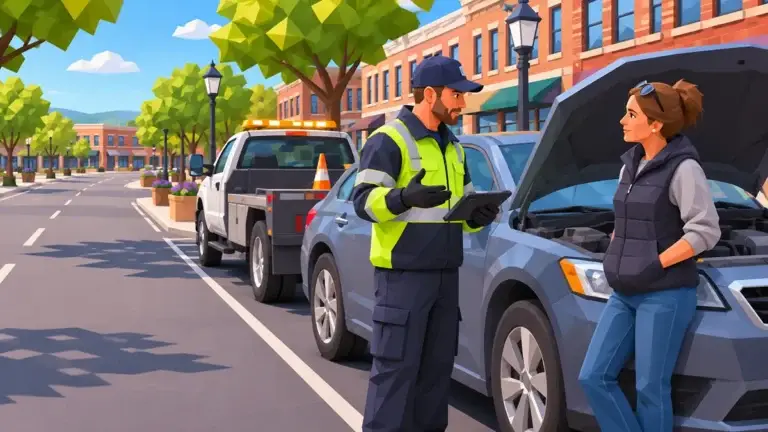
Running out of gas is inconvenient, but it does not always mean your vehicle needs to be towed. If the vehicle is otherwise operating normally, emergency fuel delivery can often bring enough fuel to your location so you can get back on the road and reach a gas station. Emergency fuel delivery can often get you moving again without a tow.
All Out Roadside Assistance provides emergency fuel delivery in Fort Collins and surrounding Northern Colorado communities as part of its 24/7 roadside services.
Here is what to do if your fuel gauge hits empty and the vehicle stops.
Emergency Fuel Delivery: The Quick Answer
Move out of traffic, confirm whether your vehicle uses gasoline or diesel, and call dispatch with your exact location. Emergency fuel delivery provides enough fuel to reach a nearby station, not a full tank. To stretch your range on future trips, review these fuel-saving driving tips from FuelEconomy.gov.
Get the Vehicle to the Safest Location Possible
If the engine begins losing power because the vehicle is out of fuel, turn on your hazard lights and move as far out of active traffic as you safely can.
A parking lot, side street, wide shoulder, or other protected location is preferable to stopping in a travel lane.
Do not attempt to push the vehicle through traffic or across a busy roadway. If the vehicle is creating an immediate traffic hazard, contact 911.
Confirm That Fuel Is the Likely Problem
An empty fuel gauge is a strong clue, but not every engine stall is caused by a lack of fuel.
Possible signs that you ran out of gas include:
- The fuel gauge is at or near empty
- The low-fuel warning had been on for some time
- The engine sputtered or lost power before stopping
- The vehicle still has electrical power but will not stay running
If the fuel gauge showed plenty of fuel before the vehicle stopped, explain that to dispatch. The problem could involve the battery, alternator, fuel pump, ignition system, overheating, or another mechanical issue.
Know Which Fuel Your Vehicle Requires
Before requesting fuel delivery, verify whether your vehicle requires:
- Regular gasoline
- Mid-grade or premium gasoline
- Diesel
Do not guess. Putting gasoline in a diesel vehicle, or diesel in a gasoline vehicle, can cause expensive damage.
The fuel requirement is often listed near the fuel door or in the owner’s manual. If you are unsure, provide the year, make, model, and engine information to dispatch.
What Information Should You Give Dispatch?
When requesting emergency fuel delivery in Fort Collins, provide:
- Your exact location
- Direction of travel if you are on a highway
- Nearest exit, mile marker, intersection, or landmark
- Vehicle year, make, model, and color
- Required fuel type
- Your callback number
- Whether the vehicle is in a safe and accessible location
Accurate location information is particularly important on I-25, US-287, rural roads, and large parking areas.
How Much Fuel Is Delivered?
Emergency fuel delivery is generally intended to provide enough fuel to get you to a nearby gas station. It is not normally a full-tank delivery service.
The amount may vary based on the service and vehicle. Once the engine is running, drive to the nearest appropriate fuel station rather than continuing your trip on a minimal amount of fuel.
Will the Vehicle Start Immediately After Fuel Is Added?
Often, yes, but not always.
Some vehicles may require several seconds of cranking before fuel pressure is restored. Certain diesel vehicles can be more complicated if the system has drawn air after running completely dry.
Repeatedly cranking the engine for long periods can drain the battery or overheat the starter. If the vehicle does not start after fuel is added, additional roadside diagnosis may be needed.
What Does Emergency Fuel Delivery Cost?
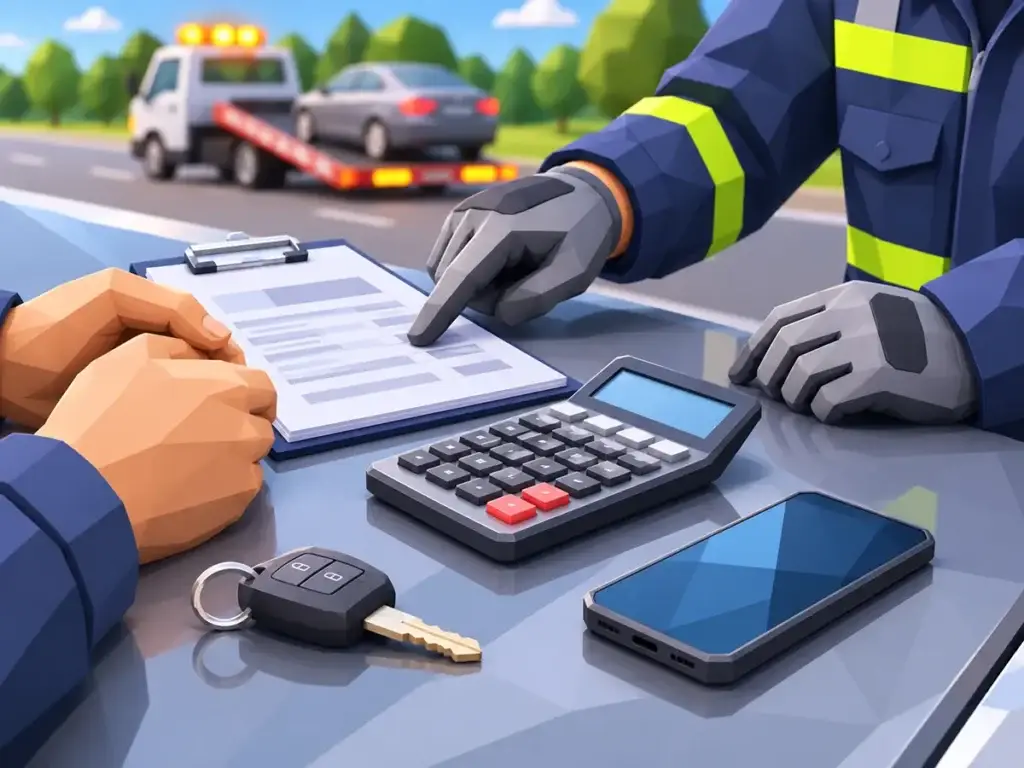
All Out Roadside Assistance advertises basic daytime roadside services starting at $65. Fuel is an additional cost, and mileage, processing, after-hours service, or additional labor may apply.
The final price depends on the vehicle’s location, the time of the call, the fuel required, and whether another problem is discovered.
Call dispatch for current pricing before authorizing service.
What Should You Do While Waiting for Fuel Delivery?
Stay focused on safety.
If your vehicle is completely outside traffic in a safe area, remain nearby and keep your phone available. If you are on a highway shoulder or other exposed location, avoid standing near moving traffic.
At night, keep hazard lights on if appropriate and conserve your phone battery. In winter, stay warm and avoid unnecessary exposure to cold and wind.
If conditions become dangerous, call emergency services rather than waiting in an unsafe location.
Can Running Out of Gas Damage Your Vehicle?
Running out of fuel once does not automatically damage a vehicle, but repeatedly driving with the tank nearly empty can create problems.
The fuel pump in many vehicles relies on fuel for cooling and lubrication. Consistently operating near empty may increase stress on the pump. Sediment and contaminants that collect in a fuel tank can also become more of a concern when fuel is very low.
The simplest prevention is to refuel before the gauge reaches empty, particularly before highway travel or winter trips.
How to Avoid Running Out of Fuel in Northern Colorado
Colorado driving can involve long distances between stops, changing weather, traffic delays, and detours. A few habits help:
Refuel early. Do not rely on the final few miles of estimated range.
Keep more fuel in winter. A fuller tank gives you more flexibility during weather delays or road closures.
Plan rural and mountain trips. Fuel stations may be farther apart than they are in Fort Collins.
Do not trust the range estimate completely. Driving speed, temperature, hills, towing, and idling can change actual fuel consumption.
Check your gauge before entering a long highway stretch. It is easier to stop for gas before you are committed to a route.
What If Fuel Delivery Does Not Solve the Problem?
If the vehicle still will not start after the correct fuel is added, tell the technician what happens when you try to start it.
A no-start may involve:
- A discharged battery
- Fuel-system problems
- Starter failure
- Alternator or electrical problems
- Ignition issues
- Security-system problems
- Another mechanical fault
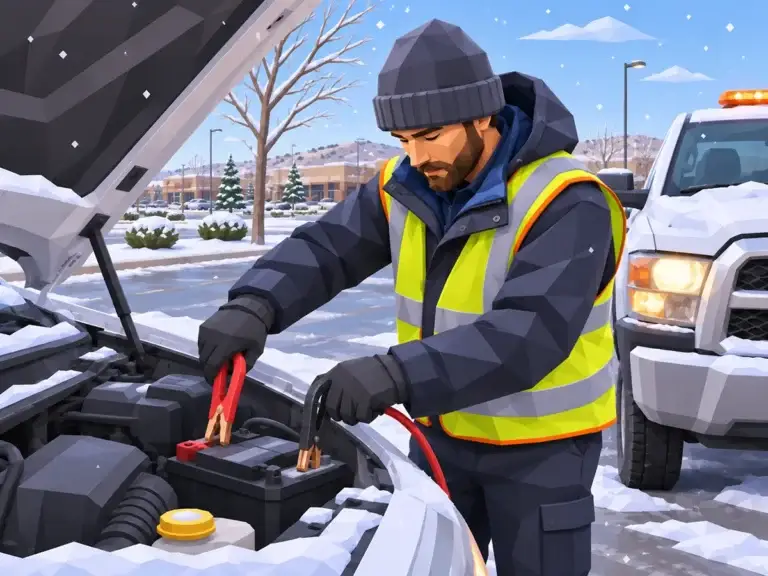
All Out Roadside Assistance also offers jump-starts and select mobile mechanic services, depending on the situation.
Need Emergency Fuel Delivery in Fort Collins?
Emergency fuel delivery is available 24/7 throughout Fort Collins and surrounding Northern Colorado communities.
If you ran out of gas in Fort Collins or a nearby Northern Colorado community, All Out Roadside Assistance can bring fuel to your location when service is available.
Call 24/7 Dispatch: 970-412-6926
Basic daytime roadside services start at $65. Fuel, mileage, processing, after-hours service, and additional labor charges may apply.