A vehicle that started normally all summer can suddenly struggle on the first bitterly cold morning of the year. That is not unusual in Colorado. Cold weather places extra demand on a vehicle’s starting system and can expose a battery that was already weakened by age, heat, short trips, or electrical problems. A car battery in cold weather has to work harder while producing less power, which is why weak batteries often fail on the first freezing morning.
If you understand what cold weather does to a car battery, you can often recognize the warning signs before you are stranded.
Car Battery in Cold Weather: The Quick Answer
Cold slows the chemical reaction inside a car battery, while thick oil makes the engine harder to crank. If your car battery in cold weather cranks slowly or needs repeated jumps, have it tested. The NHTSA winter driving tips recommend checking your battery before winter.
Why Cold Weather Makes Starting Harder
Most conventional vehicle batteries rely on chemical reactions to produce electrical energy. As temperatures fall, those reactions slow down.
That means the battery has less available power at the same time the engine can require more energy to start.
Cold engine oil becomes thicker, moving parts can be harder to turn, and drivers often use more electrical accessories such as:
- Heater blowers
- Defrosters
- Heated seats
- Headlights
- Wipers
- Rear-window defrosters
The result is a difficult combination: less battery output and more electrical demand.
Winter Often Exposes Damage That Happened Earlier
Cold weather gets blamed for killing batteries, but summer heat can be a major contributor to battery deterioration.
High under-hood temperatures can accelerate internal wear and shorten battery life. The battery may continue to function during warm weather because starting the engine requires less effort.
Then winter arrives, output drops, starting demand rises, and the weakened battery can no longer keep up.
This is why a battery may appear to fail suddenly even though the decline has been happening for months.
Signs Your Battery May Be Getting Weak
Watch for these warning signs before cold weather becomes severe:
Slow cranking. The engine turns over more slowly than normal when you start it.
Clicking. You hear repeated clicks or a single click when trying to start.
Dim lights. Interior lights or headlights appear weak before the engine starts.
Repeated jump-starts. A battery that keeps needing outside power should be tested rather than repeatedly jumped.
Battery age. Many automotive batteries last several years, but actual life varies significantly with climate, vehicle use, charging habits, and battery quality.
Corrosion or physical damage. Corrosion around terminals can affect electrical connections. A swollen, cracked, leaking, or apparently frozen battery should not be jump-started.
Battery or charging warning lights. A dashboard battery light can indicate a charging-system problem, not simply a weak battery.
Why Short Trips Can Be Hard on a Battery
Starting the engine uses a significant burst of electrical energy. The alternator then needs time to replenish that energy.
If you repeatedly drive only a few minutes at a time, particularly in cold weather with lights, defrosters, and the heater running, the battery may not fully recover between starts.
Over time, this can leave the battery in a lower state of charge and make the next cold start more difficult.
Long periods of sitting can also allow a battery to discharge, especially in vehicles with electronics that continue drawing small amounts of power while parked.
Should You Warm Up the Battery Before Starting?
For most modern vehicles, the focus should be on maintaining a healthy battery and following the vehicle manufacturer’s cold-weather recommendations rather than using improvised warming methods.
Do not pour hot water on a battery or attempt to heat it with an open flame, space heater, or other unsafe method.
If your vehicle is equipped for an engine block heater or another manufacturer-approved cold-weather system, use it according to the owner’s manual.
When a Jump-Start Makes Sense
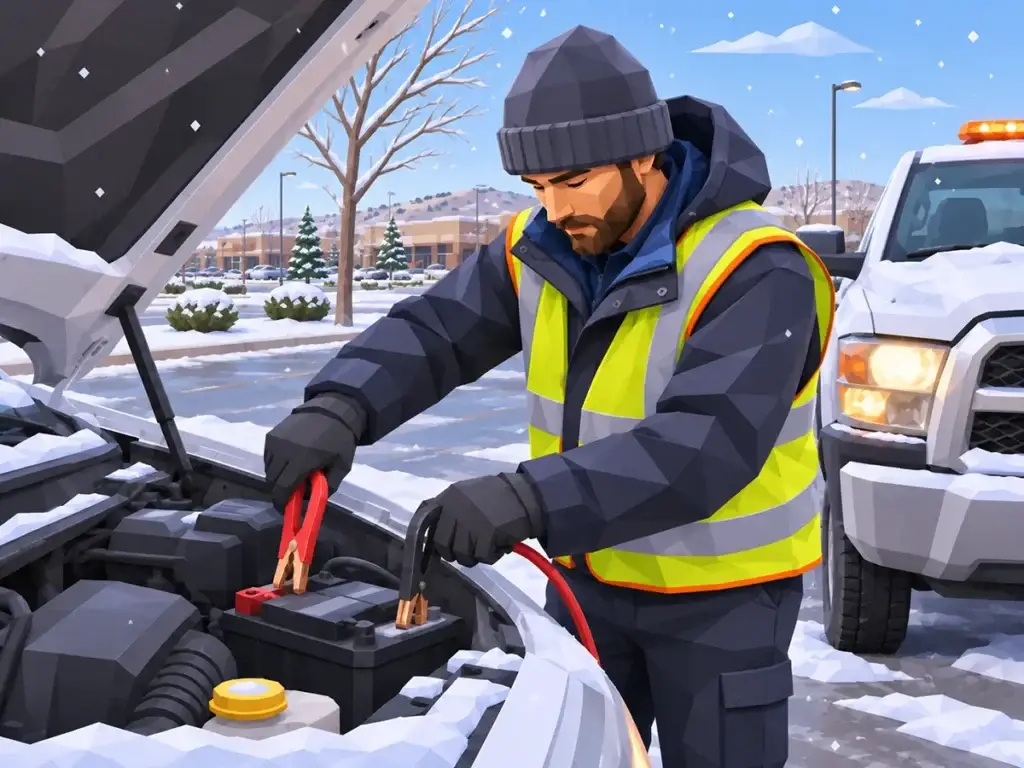
A jump-start may help when the battery is discharged but otherwise safe and serviceable.
Typical signs include weak electrical power, slow cranking, or clicking.
If the vehicle starts after a jump, that does not automatically mean the battery is healthy. If the battery died without an obvious reason, have the battery and charging system checked.
A jump-start may get you moving, but it does not repair an aging battery or failed alternator.
When You May Need Battery Replacement
Battery replacement may be appropriate when:
- The battery repeatedly loses charge
- Testing shows the battery can no longer hold adequate capacity
- Starting gets progressively slower
- The battery is older and showing other signs of weakness
- A jump-start only provides a temporary fix
- The battery has internal failure
A physically damaged battery requires special caution. Do not jump-start a swollen, cracked, leaking, or apparently frozen battery.
How to Reduce Winter Battery Problems
Get the battery tested before severe cold arrives. This is particularly useful if starting has slowed or the battery is several years old.
Keep the terminals clean and connections secure. Corrosion and loose connections increase resistance and reduce available starting power.
Drive the vehicle regularly. Longer drives can give the charging system more opportunity to replenish the battery than repeated very short trips.
Turn off unnecessary electrical loads before starting. Heated accessories, lights, and blowers can add to the initial electrical demand.
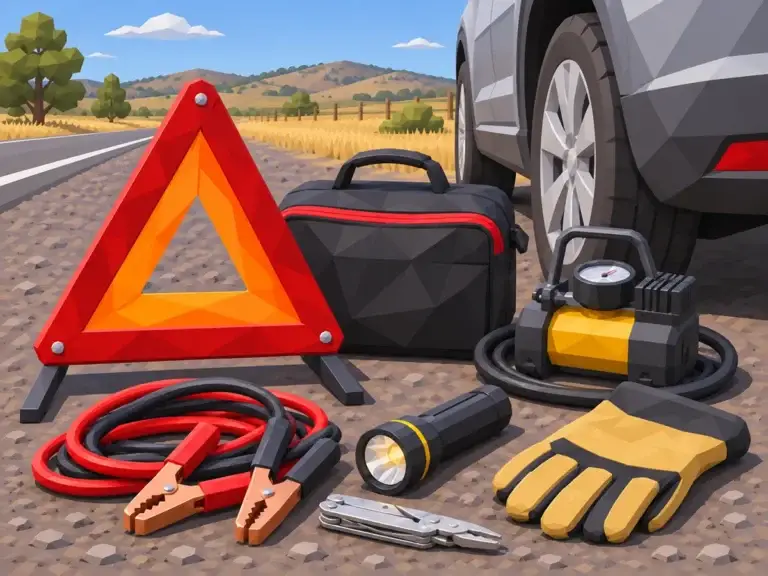
Keep an emergency kit in the vehicle. Even a well-maintained battery can fail unexpectedly.
Pay attention to warning signs. Slow cranking is easier to deal with in your driveway than a complete failure in a parking lot at night.
Winter Roadside Assistance in Northern Colorado
Cold-weather battery calls are common because a marginal battery can fail suddenly when temperatures drop.
All Out Roadside Assistance provides 24/7 jump-start service in Fort Collins and surrounding Northern Colorado communities. Battery delivery and installation may also be available depending on the vehicle and battery requirements.
If a jump does not solve the problem, select mobile mechanic services may be available to help determine whether another starting or charging issue is involved.
Car Battery in Cold Weather Giving Out? Get Help
We help Northern Colorado drivers with car battery in cold weather problems 24/7.
Call All Out Roadside Assistance if your vehicle will not start, the battery is weak, or you need roadside battery service.
Call 24/7 Dispatch: 970-412-6926
Basic daytime roadside services start at $65. Mileage, parts, processing, after-hours service, battery cost, and additional labor may apply.